Heated Argument Leads to Fatal Sydney Stabbing; One Arrested
A tranquil Sunday afternoon in Sydney's inner west was shattered on March 8, 2026, when a heated argument between friends tragically escalated into a fatal stabbing. Police swiftly responded to reports in Concord, arresting one man in connection with the death of another. The incident, which unfolded within a private residence, highlights the devastating consequences when personal conflicts spiral out of control, leaving a community grappling with loss and unanswered questions surrounding a
Sydney man fatally stabbed at friends' home after argument. This tragic event underscores the critical importance of effective conflict resolution and the swift action of law enforcement in responding to such grave incidents.
The Tragic Incident: A Friendly Gathering Turns Fatal
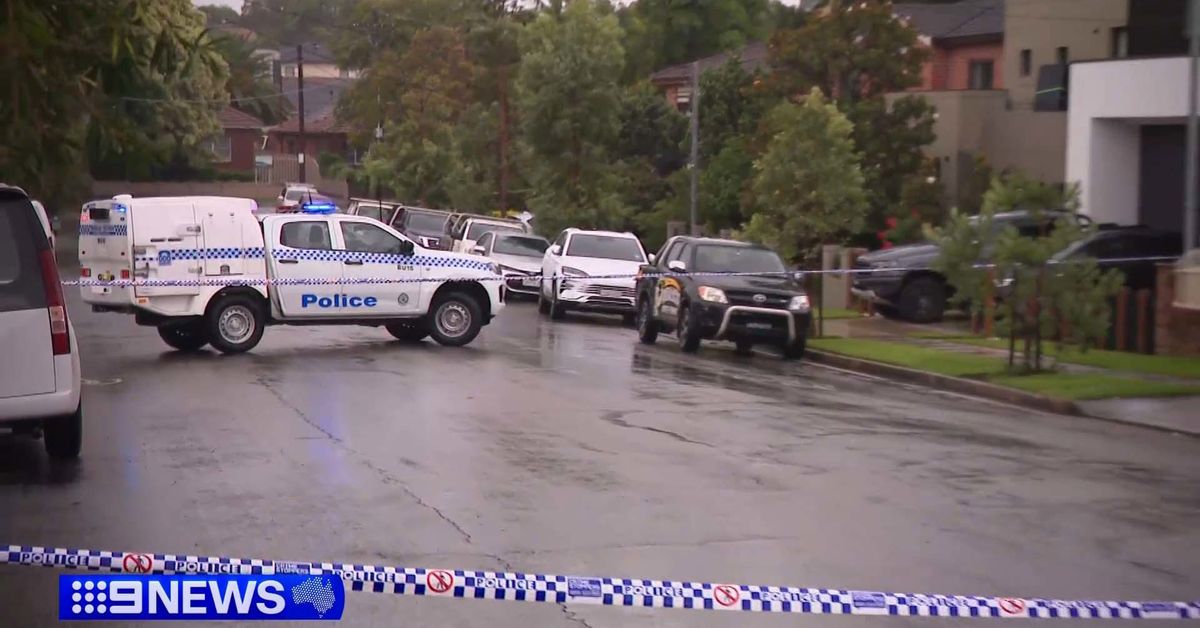
The fatal encounter occurred just after midday on Sunday at a house on Spring Street in Concord. According to police reports, three men, all known to each other, were present at the residence when an argument began. The dispute, the nature of which is still under investigation, intensified rapidly, culminating in one man, aged in his 30s, sustaining critical stab wounds to the chest.
Emergency services were immediately called to the scene. Paramedics worked diligently to stabilise the victim before rushing him to Concord Hospital. Despite their best efforts, the man succumbed to his injuries and was pronounced dead shortly after arrival. The suddenness of the event sent shockwaves through the local community, turning an ordinary Sunday into a scene of profound sorrow and intense police activity. A crime scene was immediately established at the Spring Street address, transforming the quiet residential street into a focus of a major police investigation into the
Sydney stabbing death.
Timeline of Events and Police Response
Following the emergency call, police units and paramedics descended upon the Concord residence. Upon securing the scene, investigators quickly focused on the individuals present. A 41-year-old man, who was living at the house, was arrested on suspicion of being involved in the fatal stabbing. He was subsequently taken to Burwood Police Station, where he is currently assisting police with their inquiries and is expected to face formal charges.
Another resident of the house, a 47-year-old man, also spoke with police. While he has not been arrested, his testimony forms a crucial part of the ongoing investigation, providing insights into the dynamics within the home and the events leading up to the tragedy. Superintendent Christine McDonald confirmed that an argument preceded the alleged stabbing, and that, at the time of the incident, none of the individuals at the house had any prior police records. This detail suggests that the incident was likely a sudden eruption of violence within a personal context rather than a pre-meditated act involving individuals known to law enforcement. The swift establishment of a crime scene and the immediate arrest underscore the police's commitment to thoroughly investigating serious crimes and ensuring public safety.
Unravelling the Relationships: A Complex Investigation
A pivotal aspect of the ongoing police investigation is to fully understand the intricate relationships between the individuals involved. Authorities have confirmed that the victim and the 41-year-old alleged assailant had known each other for a significant period, reportedly around eight years. This long-standing acquaintance adds a layer of complexity to the incident, suggesting a history of interactions, both positive and potentially contentious, that investigators must now meticulously examine.
The two men residing at the Spring Street address, the 41-year-old arrested man and the 47-year-old man who cooperated with police, are believed to be in a relationship. This domestic context introduces further nuances to the case. Police are working to identify the precise nature of the relationships between all three individuals – whether they were simply friends, or if deeper, more complex connections, possibly involving emotional or financial factors, played a role in the fatal confrontation. Understanding these dynamics is crucial for detectives seeking to establish a motive and construct a comprehensive picture of what transpired. As police probe the intricate web of personal connections, the investigation aims to shed light on the circumstances that could lead to such a devastating outcome among individuals who shared a history. More details on this aspect can be found in a related article:
Police Probe Relationships in Sydney Friends' Deadly Stabbing.
The Escalation of Conflict: Lessons in De-escalation and Prevention
The Concord tragedy serves as a stark reminder of how quickly verbal disputes can escalate into irreversible violence. While the specific triggers for the March 8th argument remain under police scrutiny, it offers a crucial opportunity for reflection on conflict management and the importance of preventing such deadly outcomes. Arguments are a natural part of human interaction, but their escalation often stems from a breakdown in communication, unchecked emotions, or underlying unresolved issues.
Understanding Conflict Escalation
Conflict can escalate rapidly when:
- Emotions run high: Anger, frustration, and resentment can cloud judgment and lead to irrational behaviour.
- Poor communication: Misunderstandings, accusations, and a refusal to listen can fuel the fire.
- Lack of coping mechanisms: Individuals may not possess the skills to manage their own emotions or effectively express their needs.
- Presence of substances: Alcohol or drugs can impair judgment and lower inhibitions, making individuals more prone to aggressive behaviour.
- Underlying stress or mental health issues: Personal struggles can make individuals more volatile and less able to handle conflict constructively.
Understanding these contributing factors is the first step towards prevention. The goal is to recognise the signs of escalation and intervene before a situation becomes irreparable.
Strategies for De-escalation and Safe Resolution
Preventing a situation from turning violent often involves active strategies and a conscious effort to defuse tension. Here are some practical tips for de-escalation and safe conflict resolution:
- Recognise Warning Signs: Pay attention to rising voices, aggressive body language, or insults. These are indicators that a situation is escalating.
- Take a Break: If an argument becomes too intense, suggest taking a break. Step away from the situation physically to allow emotions to cool down. A 15-30 minute pause can often change the dynamic.
- Listen Actively: Try to understand the other person's perspective without interrupting or formulating your own rebuttal. Sometimes, simply feeling heard can de-escalate tension.
- Speak Calmly and Clearly: Maintain a calm tone of voice and avoid yelling. Use "I" statements to express your feelings rather than accusatory "you" statements.
- Avoid Provocation: Refrain from name-calling, personal attacks, or bringing up past grievances that are irrelevant to the current dispute.
- Set Boundaries: Clearly state that you will not engage in a conversation that involves shouting or aggression. If the other person cannot comply, remove yourself from the situation.
- Seek Mediation: For ongoing or deeply rooted conflicts, consider involving a neutral third party, such as a trusted friend, family member, or professional mediator, to help facilitate a resolution.
- Know When to Call for Help: If you feel threatened or if violence seems imminent, do not hesitate to call emergency services (000 in Australia). Your safety and the safety of others must be the top priority.
- Consider Anger Management: If you or someone you know frequently struggles with anger, professional counselling or anger management courses can provide valuable tools and strategies.
These strategies are not just for preventing a Sydney stabbing death but for fostering healthier relationships in general. The tragic incident in Concord serves as a powerful reminder that while conflicts are inevitable, violence is not.
The Legal Ramifications and Community Impact
The legal process for the 41-year-old man arrested in connection with the Concord incident is now underway. He is expected to be formally charged, likely with murder or manslaughter, depending on the evidence gathered and the determined intent. The judicial system will meticulously examine all available evidence, including forensic findings from the crime scene, witness statements, and the autopsy results, to ensure justice is served. If convicted, the penalties for such a serious crime in New South Wales are severe, reflecting society's condemnation of fatal violence.
Beyond the courtroom, the impact of this incident reverberates throughout the community. Neighbours on Spring Street and the wider Concord area are left to reconcile with the fact that such a violent act could occur within their peaceful suburb, especially between individuals known to each other. While police assure the public that this appears to be an isolated incident with no broader threat to the community, the tragic loss of life and the circumstances surrounding it inevitably foster a sense of sadness and concern. It reinforces the importance of community vigilance, mutual support, and the recognition that even seemingly minor disputes can have catastrophic consequences if left unchecked.
The investigation into the March 8, 2026, Sydney stabbing death is ongoing, with police committed to piecing together every detail to provide clarity and closure for all affected. This incident serves as a profound reminder of the fragility of life and the imperative to foster environments where conflict can be resolved constructively, preventing future tragedies born from escalated arguments.